When Sara was a teenager in Iran, she walked into school each morning already knowing what the day demanded, from her clothing to her speech. Boys and girls were kept apart, teachers prioritised discipline over curiosity, and joy was treated with suspicion. “When I was younger, I did not question it much, but I began to realise how restrictive and unhealthy the environment was,” said Sara.
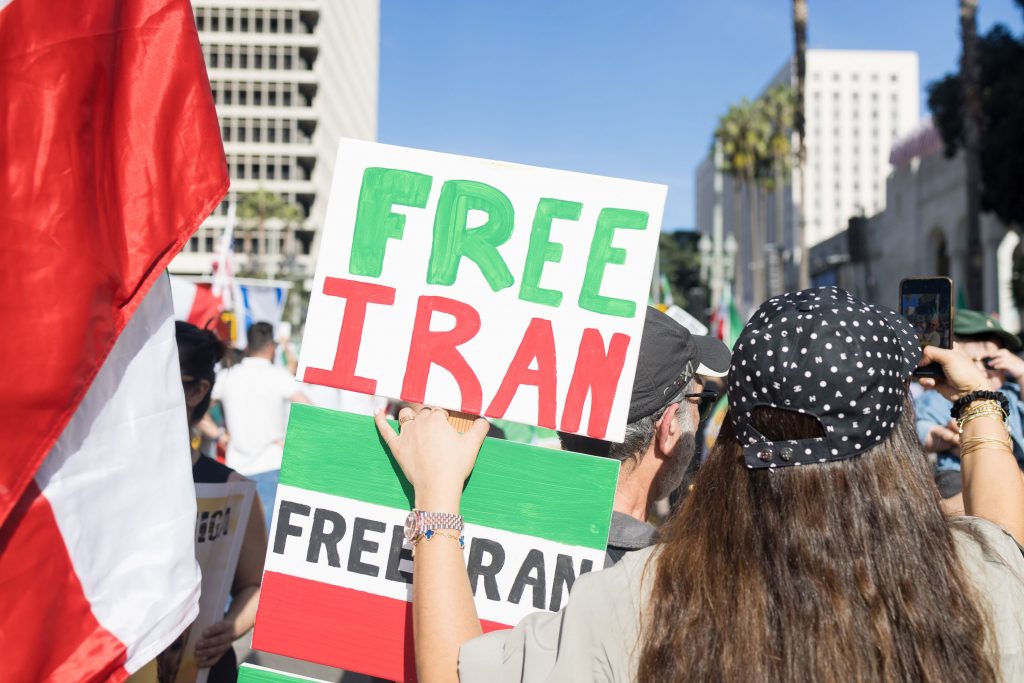
That same environment is now at the centre of the protests sweeping across Iran, sparked by years of repression. The government has responded with violent crackdowns, including the use of live ammunition and tear gas, internet shutdowns lasting days at a time, mass arrests, and reports of hundreds of deaths, according to international human rights organisations.
For Kingston University student Sara, these headlines are not distant. They shape her daily life in the UK and fuel constant fear for the people she left behind. “I lived in Iran for most of my life until I was 17,” she said. Her family moved between several cities, but the atmosphere never changed.
Schools revolved around academic pressure, leaving little space for creativity or enjoyment. Social life was tightly controlled with parties banned, relationships discouraged, and public holidays centred on mourning. “Young people were not encouraged to have fun or live freely,” said Sara.
Economic strain made life especially harder. “Even at that time, the economy was already struggling,” Sara explains. Since leaving, she has watched conditions deteriorate further with shortages of food, fuel and medicine pushing basic necessities out of reach for many families. The Statistical Centre of the Iranian regime reported that as of January 2026, inflation has reached 60%.
“As a woman in Iran, you do not truly have a voice. There is no freedom of speech, and questioning politics or government restrictions can have severe consequences.”
Sara
For women, the restrictions were more severe. Laws governing dress, movement and behaviour are enforced through surveillance and punishment. Speaking about politics or questioning the government came with serious consequences. “The fear is always present,” she says, noting that many people have been imprisoned or executed for protesting.
Moving to the UK brought freedom but also emotional difficulty. “Adjusting to freedom, even in the simplest ways, felt unfamiliar.” Watching people her age live without restrictions was both liberating and painful. Leaving her family behind remains the deepest wound. “All of my memories were tied to my family, especially my grandparents and cousins.”
As protests have intensified, the distance has grown heavier. Internet shutdowns have made it difficult to contact loved ones, and the constant stream of news has taken a toll: “Over the past few weeks, I have been mentally and emotionally exhausted. Seeing footage of people being killed and watching videos of dead bodies is devastating.”
Guilt is another weight Sara carries. “There is overwhelming guilt in being unable to stand alongside our people during the protests,” she says. Stories from friends in London about relatives being shot by police or detained without charge have made the crisis feel all the more urgent. “I worry about them constantly,” she adds.
Despite everything, Sara holds onto hope. “Iranians both inside and outside the country are doing everything they can for a free Iran,” she believes the movement is about far more than politics. “These are not numbers; they are human lives.”
Although she is thankful for the opportunities the UK has given her, Iran remains home, with the ongoing crisis continuing to shape Sara’s life: “No matter where I live, my thoughts and emotions remain with my people.”